
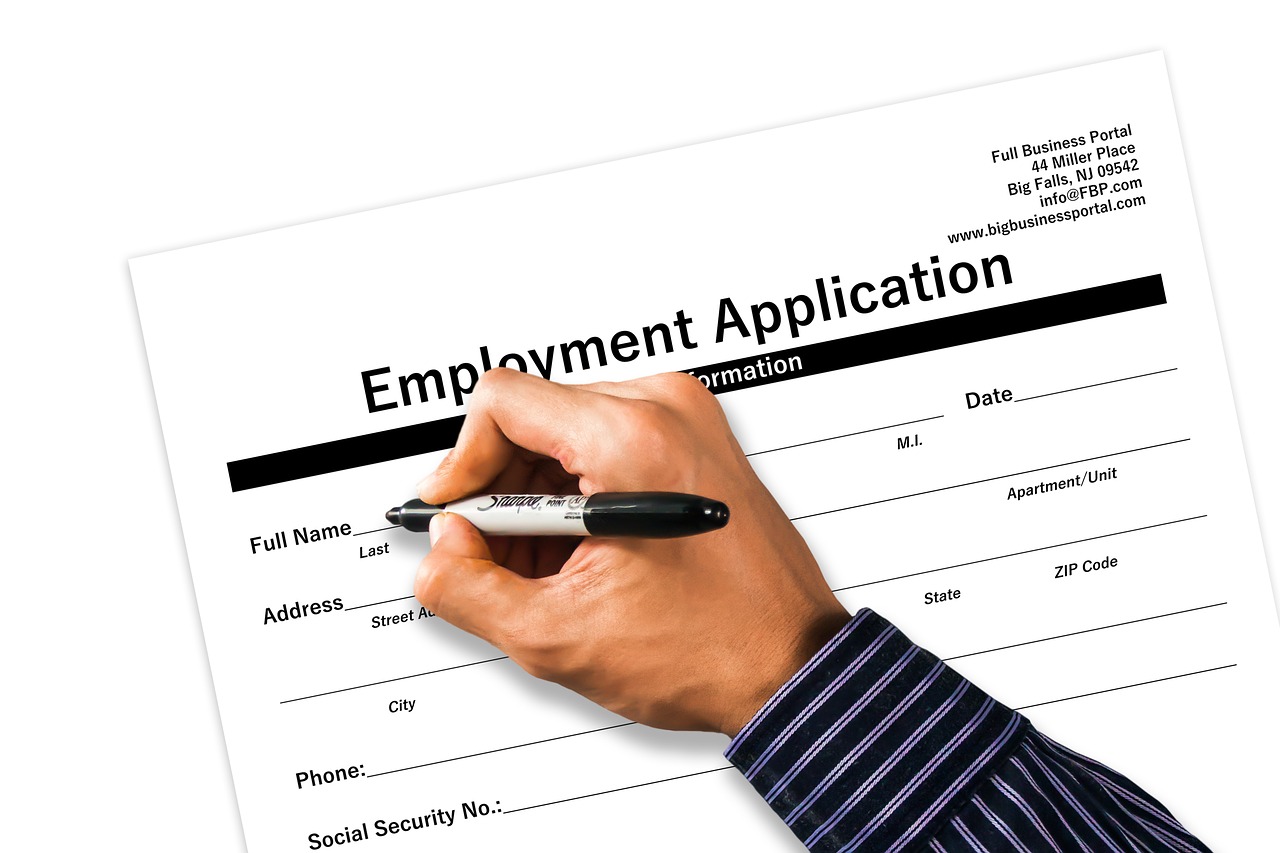
Under a new law which took effect July 1, 2017, California employers are no longer be allowed to consider an applicant’s criminal history when making employment decisions if doing so will have an adverse impact on applicant in a legally protected class (race, national origin, or gender) as defined by the Fair Employment and Housing Act. The new regulations limit an employer’s ability to inquire into prior arrests of an applicant which did not result in a criminal conviction. The new law applies to employers with five or more employees. An employer can consider criminal history when hiring an applicant if they can establish the practice is job related and consistent with business necessity.
 Admin

Second Meal Period Waivers For California Healthcare Workers Are Legal

The California Court of Appeal recently resolved in the affirmative the legality of second meal period waivers for healthcare employees who work shifts longer than twelve (12) hours. Gerard v. Orange Coast Memorial Medical Center (“Gerard II”) (Case No. G048039, filed 3/1/17). The Court of Appeal concluded that second meal period waivers for healthcare workers who work longer than 12-hour shifts ARE indeed valid and legal. The court reached this conclusion only after the California state legislature passed emergency legislation to clarify the Labor Code statutes and confirm the enforceability of the second meal period waiver.
California Companies Must Pay Premium For On-Call Rest Periods: Augustus v ABM Security Services, Inc.

The California Supreme Court recently held that California companies must pay for on-call rest periods. See Augustus-v.-ABM-Security 2016 WL 7407328 (Cal. Dec. 22, 2016)2016 WL 7407328 (2016) In Augustus, the plaintiffs, who worked as security guards at sites throughout California, alleged that ABM required guards to keep their radios and pagers on during rest periods. Guards were to remain “vigilant and responsive” to calls and alerts at all times. As a result, the guards alleged that they did not receive a duty-free rest period as prescribed by law.

California Supreme Court Clarifies “Day of Rest” Statutes

In the recent opinion Mendoza v. Nordstrom, Inc. (Case No. S224611, May 8, 2017), the California Supreme Court answered unsettled questions about the state’s day of rest statutes, Labor Code sections 550 – 558.1. These statutes prohibit an employer from causing its employees to work more than six days in seven without taking a day of rest, but do not apply when an employee’s total hours of employment do not exceed 30 hours in any week or 6 hours in any day.
In Mendoza, the Court ruled as follows:
- – A day of rest is guaranteed for each workweek. Periods of more than six consecutive days of work that stretch across more than one workweek are not per se prohibited.
- – The exemption for employees working shifts of 6 hours or less applies only to those who never exceed six hours of work on any day of the workweek. If on any one day an employee works more than six hours, a day of rest must be provided during that workweek, subject to whatever other exceptions might apply.
- – An employer causes its employee to go without a day of rest when it induces the employee to forgo rest to which he or she is entitled. An employer is not, however, forbidden from permitting or allowing an employee, fully apprised of the entitlement to rest, independently to choose not to take a day of rest.
With the court’s ruling in Mendoza, employers must ensure their break policies are in compliance with the law. Read on to learn more.
California Department of Fair Employment and Housing Releases New Workplace Harassment Guide For Employers
In May, the California Department of Fair Employment and Housing (DFEH) released a Workplace Harassment Guide. The new step-by-step guide, available here, provides employers with specific recommended practices to prevent harassment in the workplace, to respond employee complaints of harassment, and to conduct a fair investigation of the employee’s complaint. Prepared by DFEH’s California Sexual Harassment Task Force, this guide gives employers helpful, practical guidance and steps to comply with employers’ legal obligations to prevent and address workplace harassment.

